
Satpura National Park
About Satpura National Park
Satpura National Park, located in Madhya Pradesh, is a hidden gem of Central India’s wildlife circuit. Spread over 524 sq. km of core area and surrounded by a larger tiger reserve of 2,200 sq. km, it is part of the lush Satpura mountain range.
The park is known for its rugged hills, deep valleys, meandering streams, and rich biodiversity. Unlike other parks, Satpura offers unique experiences such as walking safaris, boat safaris, and canoe rides alongside jeep safaris.
It is home to tigers, leopards, sloth bears, Indian giant squirrels, and over 300 bird species, making it a paradise for wildlife lovers and photographers.
Safari Zones in Satpura
Core Zones
Madhai Gate: The main entry, famous for jeep, boat, and walking safaris.
Churna Gate: Known for the Churna Forest Rest House and thrilling tiger sightings.
Pachmarhi Gate: Offers scenic landscapes and waterfalls, great for nature trails.
Buffer Zones
Sehra Gate: Peaceful zone with open grasslands and good herbivore sightings.
Jhalai Gate: Dense forests ideal for birdwatching and leopards.
Sarai Gate: Remote area, perfect for offbeat safaris.
Flora and Fauna in Satpura
Flora of Satpura National Park
- Teak (Tectona grandis): The dominant hardwood species in Tadoba, Teak provides vital timber and contributes to the forest ecosystem.
Ain (Terminalia tomentosa): A deciduous tree that enhances the biodiversity of the reserve.
Bamboo (Bambusoideae): Dense thickets of bamboo offer shelter and food for many animals.
Mahua (Madhuca longifolia): Known for its sweet-scented flowers, Mahua holds cultural and medicinal significance.
Salai (Boswellia serrata): Produces aromatic resin used in incense and traditional medicine.
Semal (Bombax ceiba): A striking deciduous tree with large, showy flowers that add beauty to the forest.
Dhaoda (Anogeissus latifolia): A medium-sized tree that strengthens forest structure.
Haldu (Adina cordifolia): Hardwood tree commonly used in furniture and construction.
Bija (Pterocarpus marsupium): Famous for its medicinal properties, Bija is an important component of the ecosystem.
Tendu (Diospyros melanoxylon): Produces edible fruits and has significant economic value.
Fauna of Satpura National Park
- Bengal Tiger (Panthera tigris tigris): The star attraction of Tadoba, often spotted in both core and buffer zones.
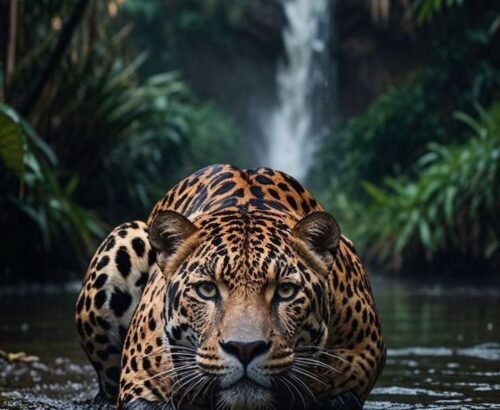
Leopard (Panthera pardus): Solitary and elusive, primarily found in dense forest areas.
Sloth Bear (Melursus ursinus): Nocturnal insect-eating mammals occasionally observed in the park.
Wild Dog / Dhole (Cuon alpinus): Pack hunters often seen roaming open areas.
Hyena (Hyaenidae family): Present in Tadoba, though sightings are rare.
Gaur (Indian Bison): Large herbivores commonly grazing in meadows.
Sambar Deer (Rusa unicolor): A primary prey species for tigers, frequently seen in herds.
Chital (Axis axis): Spotted deer that are abundant throughout the forest.
Birds: Over 250 species including the Crested Serpent Eagle, Grey-headed Fish Eagle, Paradise Flycatcher, and Indian Peacock.
How to Reach Satpura National Park
By Air: The nearest airport is Bhopal Raja Bhoj Airport, approximately 190 km from Satpura. Nagpur Airport is another option, around 250 km away. From the airport, you can hire a taxi or take a pre-arranged resort transfer to reach the park in about 4–5 hours.
By Rail: The closest railway station is Pipariya, around 55 km from the park. Major trains from Bhopal, Nagpur, and Jabalpur stop here. Taxis and local transfers are available to reach the park gates.
By Road: Satpura is accessible via NH46 and connecting state highways, making it convenient for road trips from Bhopal (190 km), Hoshangabad (100 km), and Nagpur (250 km). Private cabs, taxis, and self-drive options are widely available.
Local Transport: Once near the park, resorts often provide jeep or safari transfers, and private jeep safaris can be booked online in advance
Best Time to Visit Satpura National Park
Choosing the right time is crucial to maximize your chances of wildlife sightings:
Summer (March – May): The best season for tiger sightings, as animals gather near waterholes due to the heat. Ideal for photographers and wildlife enthusiasts.
Winter (October – February): Pleasant weather with clear skies, perfect for family trips, bird watching, and comfortable safaris.
Monsoon (June – September): The park’s core zones remain closed during the heavy rains, but buffer zones may still be accessible. Lush greenery makes it scenic, but sightings are limited.
Best Satpura Jungle Safari Packages
Satpura Tour Packages from Bhopal
- 3N/4D
- 2 Safaris
- Satpura
Satpura & Bandhavgarh Tour Packages
- 5N/6D
- 3 Safaris
- Satpura
Satpura Tour Packages from Jabalpur
- 2N/3D
- 2 Safaris
- Satpura